
Gender inequality in marginalised communities is not simply a matter of attitudes at home. It is woven into institutions, economic structures, and social norms that have remained largely unchallenged for generations. Girls are pulled from school during times of financial stress. Young women are married early, framed as a form of security. Women are absent from the rooms where decisions are made.
Jan Vikas Sansthan does not treat gender equality as a separate programme. We integrate it into everything we do, because sustainable change in education, livelihoods, and community governance is impossible without women and girls as full participants.
Our work is about shifting who holds voice, who holds leadership, and who gets to decide.
0
child marriages prevented
0
women's collectives active across the region
0
women engaged through organised groups
0
+
adolescent girls reached through leadership programmes
Child marriage remains one of the most persistent barriers to girls’ futures in the communities we work with. We build awareness within families and across communities, create systems for early identification of risk, and support girls themselves to understand and act on their rights. Local institutions are engaged to ensure there are accountability mechanisms in place that can respond before, not after, a marriage has been arranged.
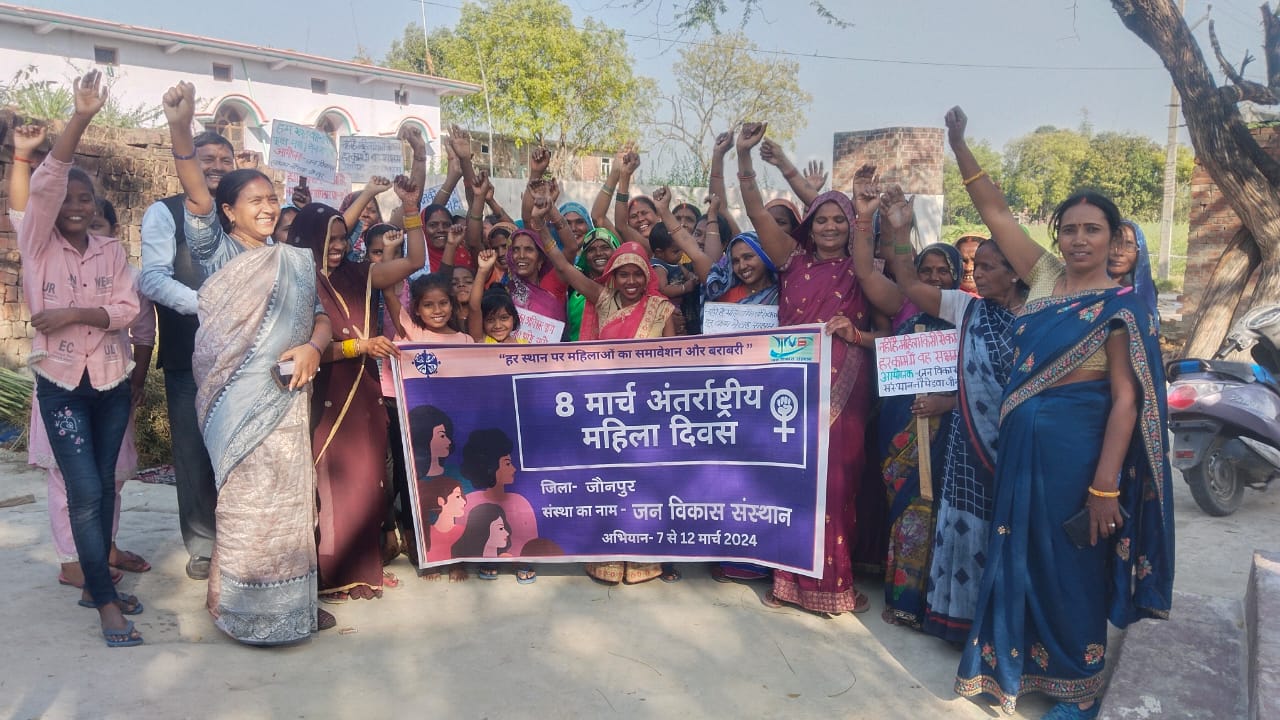
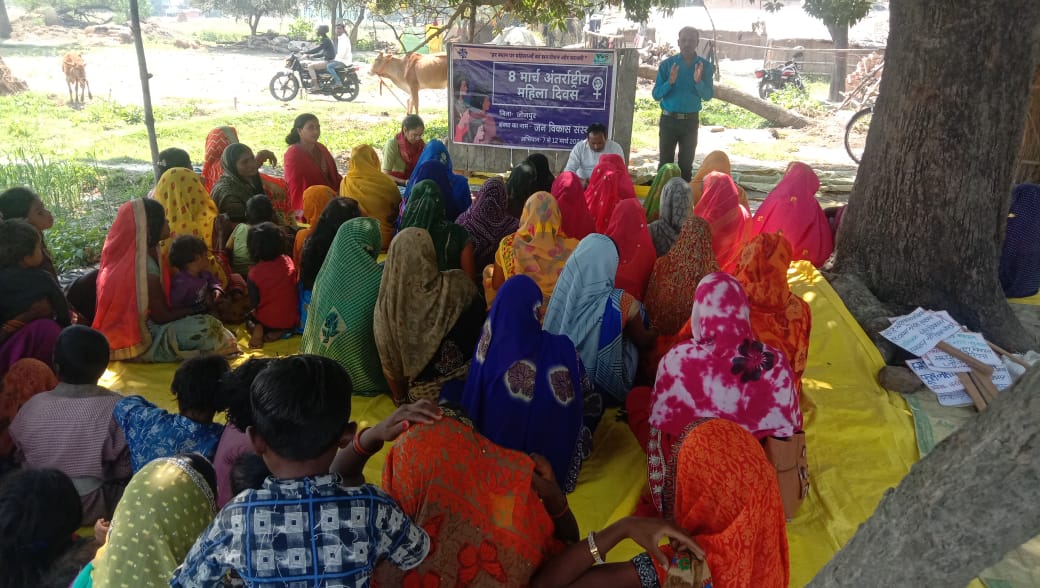
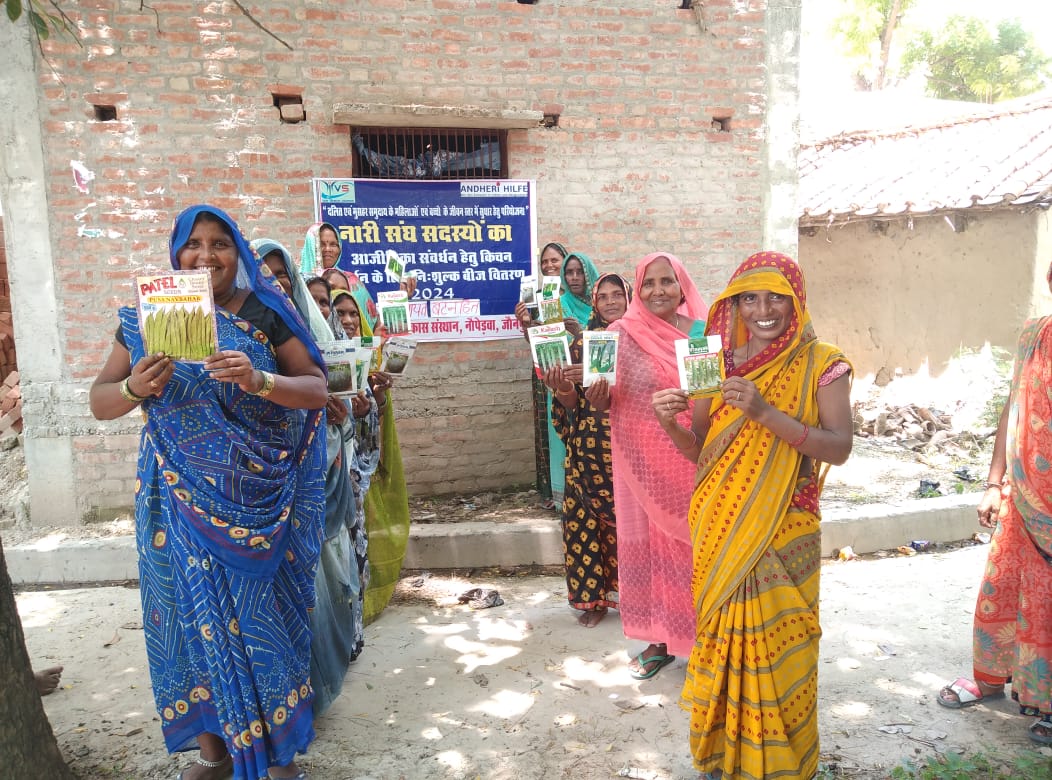
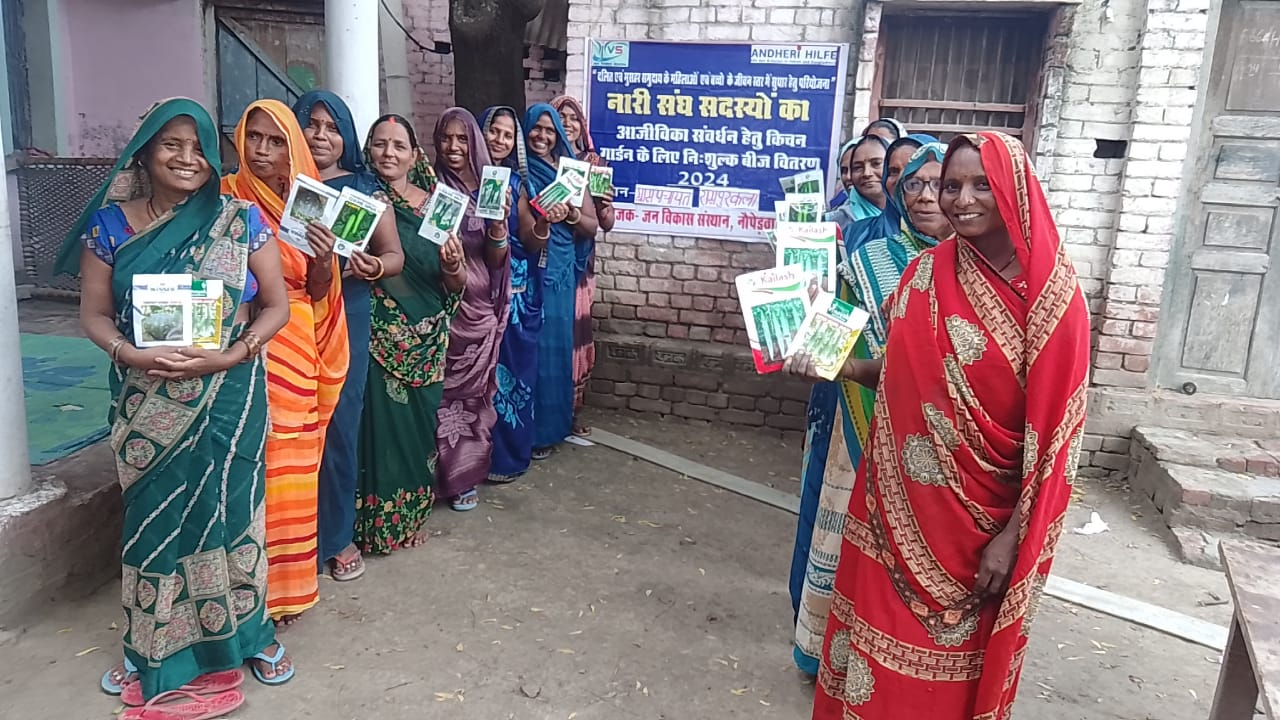
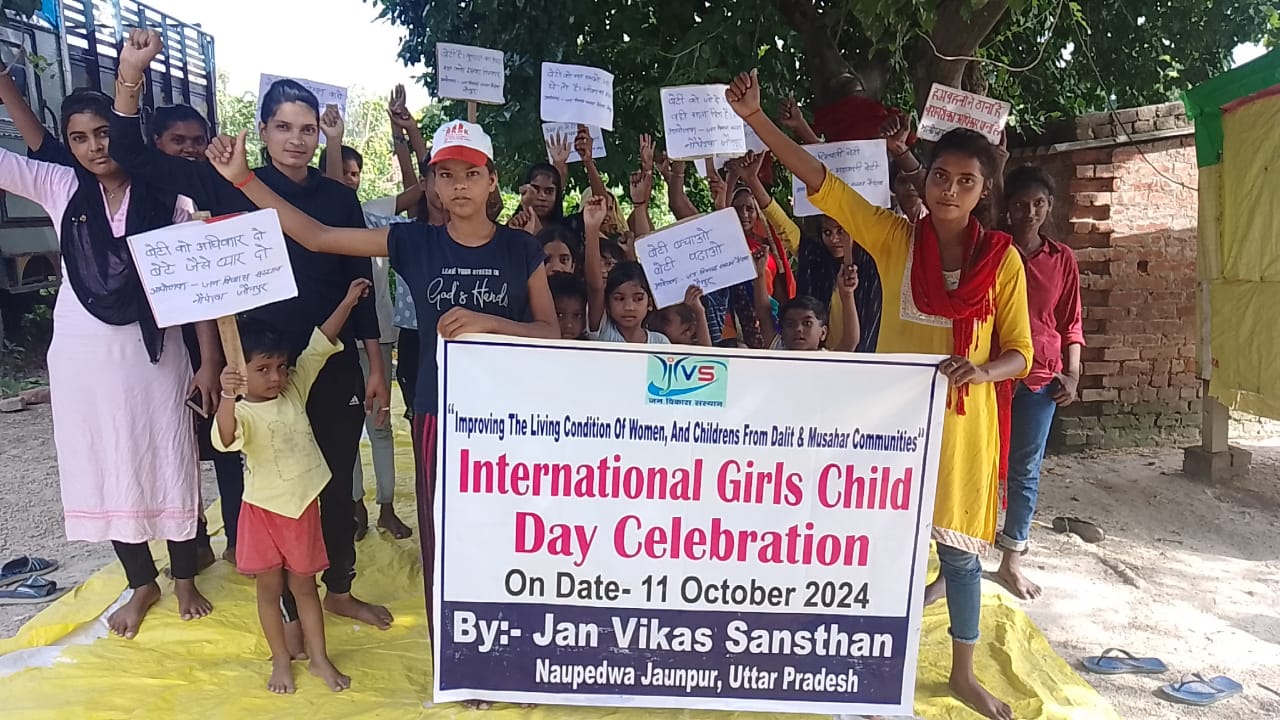
Adolescent girls in our work are not recipients of services. They are participants in a process of becoming. Through structured group engagement, they develop life skills, take on peer leadership roles, and grow into people who can advocate for themselves and others in spaces that would otherwise exclude them. Women’s collectives we have supported across the region have similarly evolved from support groups into organised platforms through which women engage with schools, local government, and economic systems on their own terms.
Shifting gender norms requires engaging everyone in a community, not only its women and girls. We work with fathers, mothers, and community members to open conversations about girls’ education, safety, and futures, and to build a shared sense of responsibility for the outcomes. We also engage directly with schools and government departments to address the structural barriers that push adolescent girls out of institutions, inadequate facilities, absent female teachers, safety concerns, and discriminatory practices, because inclusion that depends on tolerance is not inclusion at all.