
Communities that are already economically and socially vulnerable carry a disproportionate share of the consequences of environmental change. Erratic rainfall disrupts agriculture. Degraded land reduces what families can grow and earn. Water scarcity adds hours to women’s daily labour. For Dalit and Musahar households, many of whom are landless and depend entirely on seasonal work, environmental instability is not a distant concern. It arrives every season.
Jan Vikas Sansthan recognises that the communities we work with cannot build lasting resilience in education, health, and livelihoods if the environmental foundation beneath them continues to erode. As part of our 2025 to 2030 programme direction, we are integrating climate awareness and sustainable practices into our community development work.
This is an area we are actively building. We welcome partnerships with organisations working at the intersection of environment, community rights, and rural development.
0
districts where we work in climate-vulnerable communities of eastern UP
0
+
families engaged through our broader community programmes
0
+
gram panchayats where land rights and resource access work is active
0
+
members engaged in local governance
Many households in the communities we work with are entirely landless, a condition that shapes every dimension of their vulnerability. We support families in understanding their land-related rights and accessing government schemes designed to address this, working to build more stable relationships between communities and the resources in their environment.
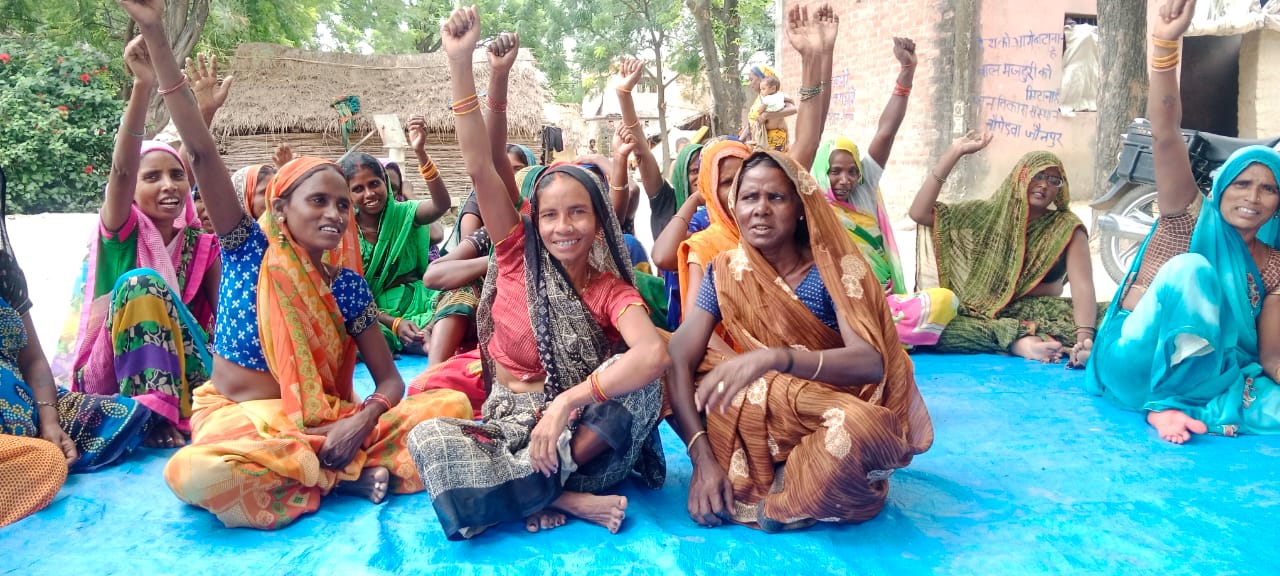
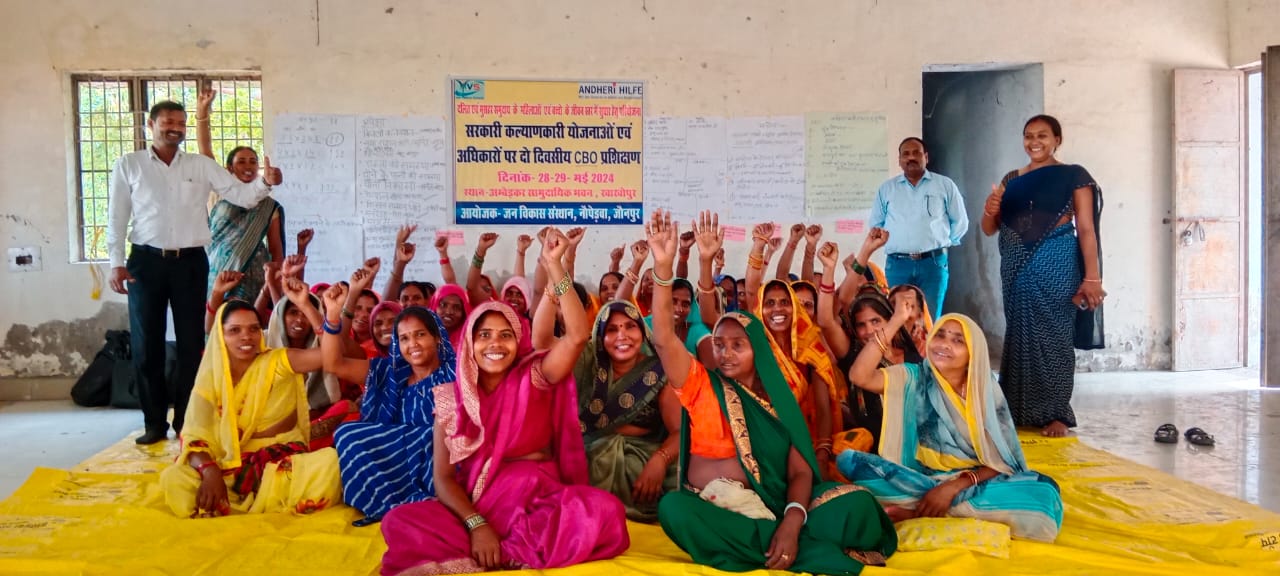
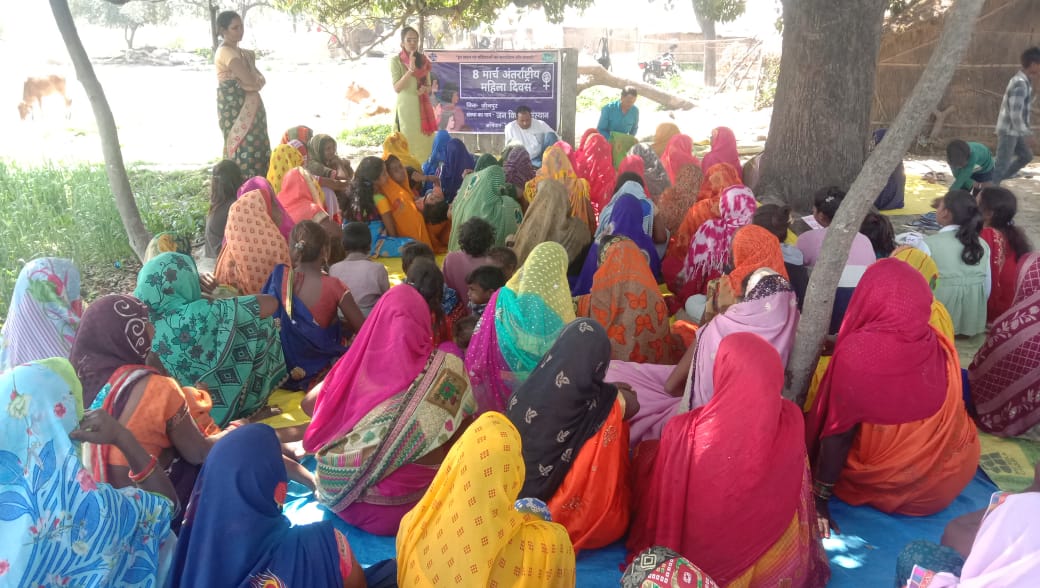
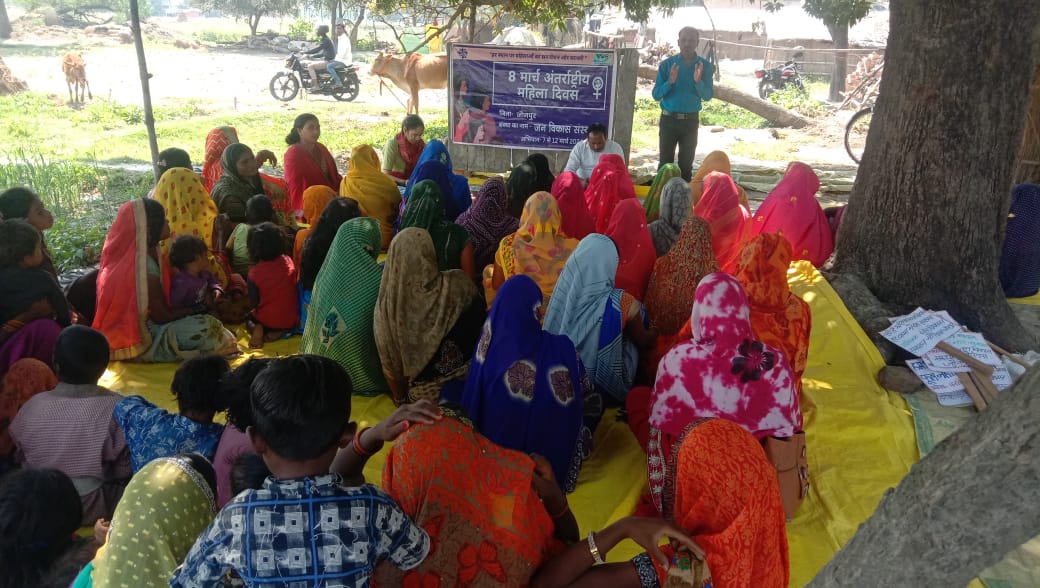
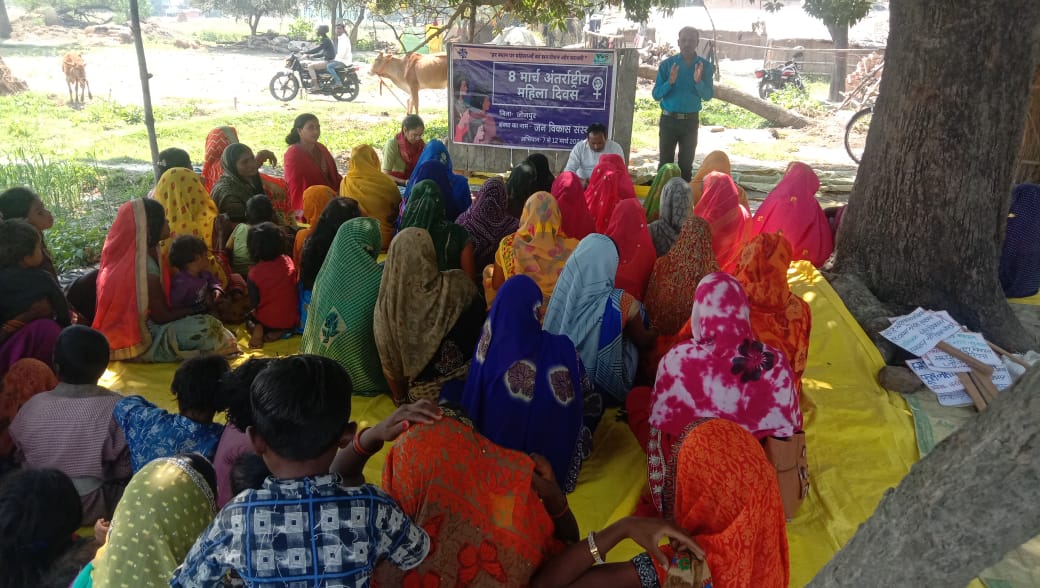
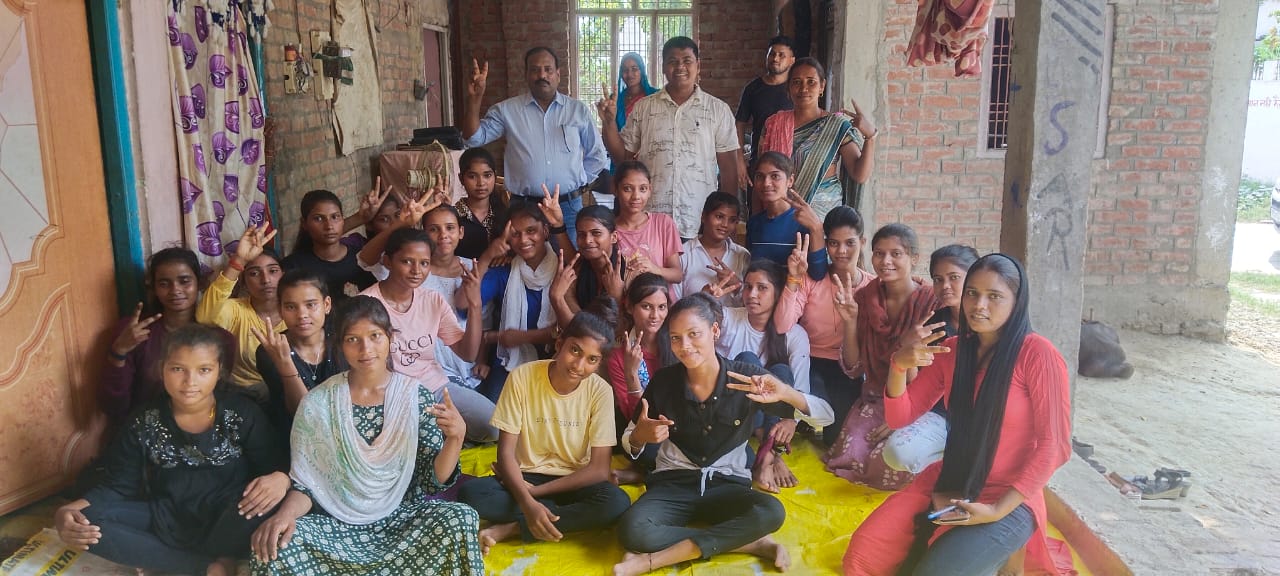
Where communities depend on agriculture, forest resources, or seasonal labour tied to environmental conditions, we work to develop more resilient livelihood strategies alongside them. This includes connecting families to government support for sustainable farming and identifying income alternatives that are less exposed to environmental shocks, particularly for households where the primary earner depends on conditions no one can control.
Awareness of environmental rights and conservation practices is built into our existing work with women’s groups, adolescent programmes, and community institutions. We are also actively seeking partnerships with organisations and institutions working at the intersection of environment, community rights, and rural development, because the scale of what is needed here exceeds what any single organisation can do alone. If you are working in this space, we would welcome a conversation.